The Big Takeaways
- CARET Legal helps small law firms manage growing workloads through centralized legal practice software with built-in document, calendar, and task management.
- With tools for time tracking, secure client sharing, and billing, CARET Legal reduces administrative overhead while maintaining visibility across matters.
- CARET Legal supports better organization and coordination across litigation teams, helping firms stay focused, efficient, and responsive.
How to Manage Your Small Law Firm Without Feeling Overwhelmed
Running a small law firm means handling a high volume of legal work while also managing the operational side of the business. With growing client expectations and administrative demands, many small firms struggle to maintain control without feeling overloaded. The right legal practice management software can reduce this pressure by streamlining routine processes and keeping the entire team on the same page.
CARET Legal offers small law firms a centralized platform to manage matters, documents, calendars, and billing with consistency. By replacing scattered tools and manual tracking with one connected system, firms can work more efficiently without sacrificing control or responsiveness.
Firms that adopt legal practice software often find that even small changes in workflow efficiency have a major impact. Less time spent chasing files, checking calendars, or reconciling billing frees up attorneys and staff to focus on client service and case outcomes. CARET Legal gives firms the ability to scale without adding unnecessary layers of complexity.
Centralizing Daily Operations With Legal Practice Software
Managing a small firm requires visibility into everything from open matters to billing cycles. Many attorneys rely on a mix of spreadsheets, lengthy email chains, and disconnected software, which can slow down response times and increase the risk of errors. CARET Legal addresses this challenge by combining the most important legal workflows into one platform.
Within CARET Legal, firms can:
- Track time directly within a matter
- Assign and monitor tasks across team members
- Upload and organize documents within case files
- Coordinate deadlines with integrated calendar tools
- Invoice clients and process payments through CARET Pay
This centralized access gives teams a consistent way to handle case-related work without jumping between systems. For small law firms managing litigation or transactional matters, this structure improves accountability and limits missed steps in the case lifecycle.
The ability to manage multiple areas of the practice in one system also reduces training time for new hires. Staff can get up to speed faster when they only need to learn one platform, and firm leaders can maintain oversight without micromanaging. CARET Legal brings order to routine tasks so that attorneys can focus on higher-value work.
Tools That Help You Stay on Track
Small firms benefit from having structured systems that support their day-to-day legal work. CARET Legal offers several built-in tools designed to help firms manage their caseloads without losing focus.
Key features include:
- A unified dashboard that surfaces active tasks, calendar events, and recent activity
- Secure file sharing through the client portal
- Over 10 ways to track time
- Quick document upload to matters and tasks
These features are designed to give attorneys and staff the information they need without requiring extra effort to gather it. Rather than checking five different tools, users can rely on CARET Legal for a complete view of their workload.
Managing Legal Documents Without the Paper Overload
Legal paperwork can pile up quickly, especially in litigation-heavy firms. Without a consistent method for organizing and accessing documents, attorneys risk wasting time and missing important details. CARET Legal helps reduce paper dependency by offering digital document solutions built into its legal practice management platform.
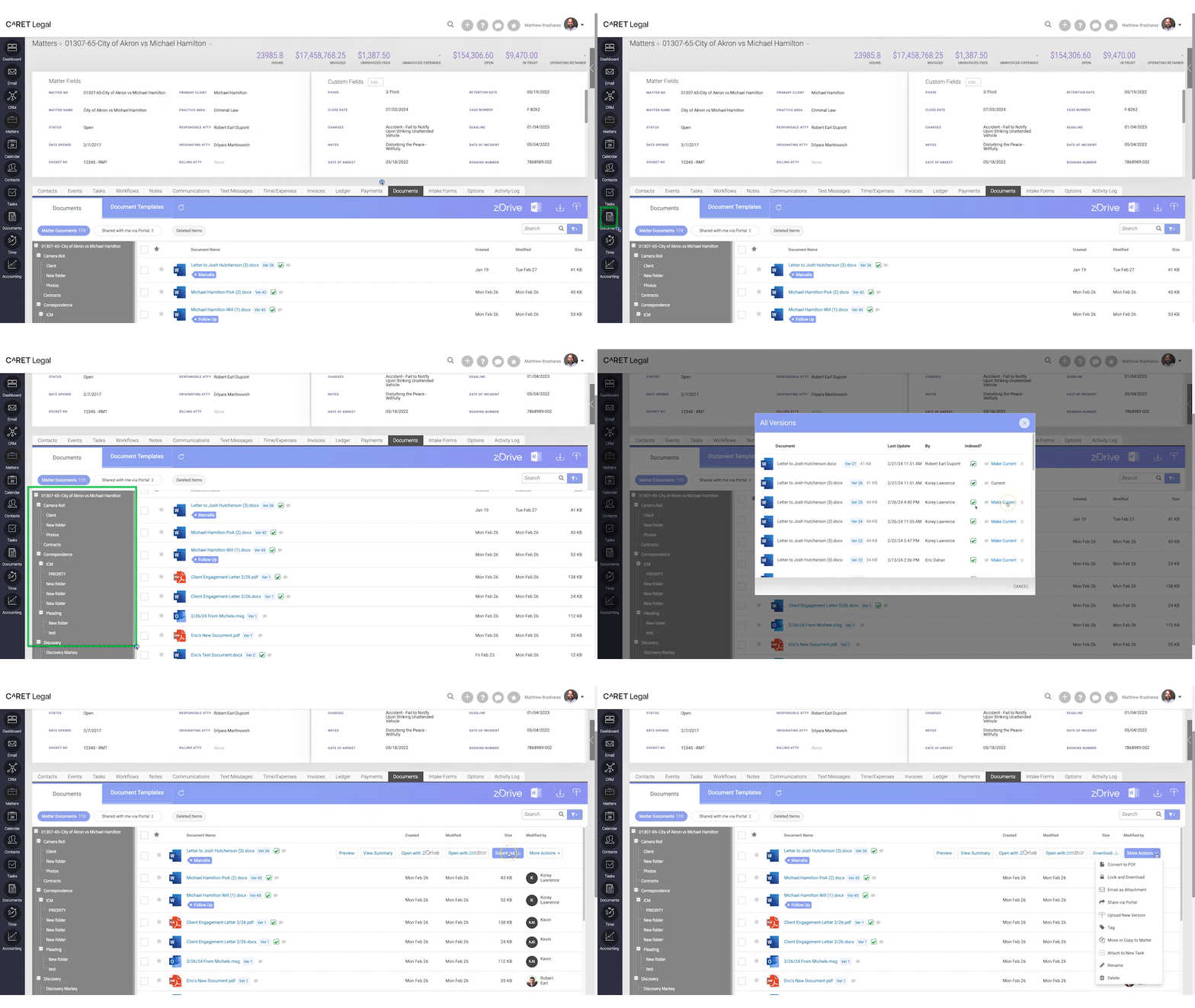
Documents are stored by matter, and users can upload, download, and edit files within the system. Documents can be attached to tasks or included in emails, helping teams maintain context as they move through a case. Digital document management also supports remote and hybrid work. Staff can access case files without relying on in-office systems, and attorneys can stay connected to important documents while working on the go. This flexibility supports small firms that need to stay efficient while scaling their operations.
Document Management Best Practices for Small Firms
Organizing digital legal documents requires structure and consistency. CARET Legal supports firms in maintaining both through matter-based storage and linked workflows. To keep documents manageable, firms can:
- Standardize document naming conventions within the platform
- Upload all relevant files directly to the appropriate matter
- Link important documents to associated tasks for easy reference
- Track edits or version updates to case files
- Easily review key takeaways from a document using AI-enabled Quick Summary
These practices help reduce confusion and maintain file integrity over the course of a matter. With everything stored in one place, staff can avoid wasting time searching for attachments or tracking document versions across tools.
Improving Coordination in Small Litigation Teams
Litigation practices face tight deadlines and complex scheduling needs. In small firms, attorneys often share case responsibilities and rely on each other to stay updated on matter progress. CARET Legal supports this coordination by offering shared access to case information, task lists, and court dates.
Through the LawToolBox integration, CARET Legal supports rules-based calendaring, helping teams calculate deadlines based on jurisdiction-specific rules. Tasks can be created and tracked within matters, and each user has visibility into who owns what.
The built-in calendaring features make it easier to keep up with court dates, internal deadlines, and case milestones. With centralized scheduling, firms reduce the risk of miscommunication or double booking, giving attorneys more confidence in their daily planning.
Task and Calendar Management Tips for Small Litigation Teams
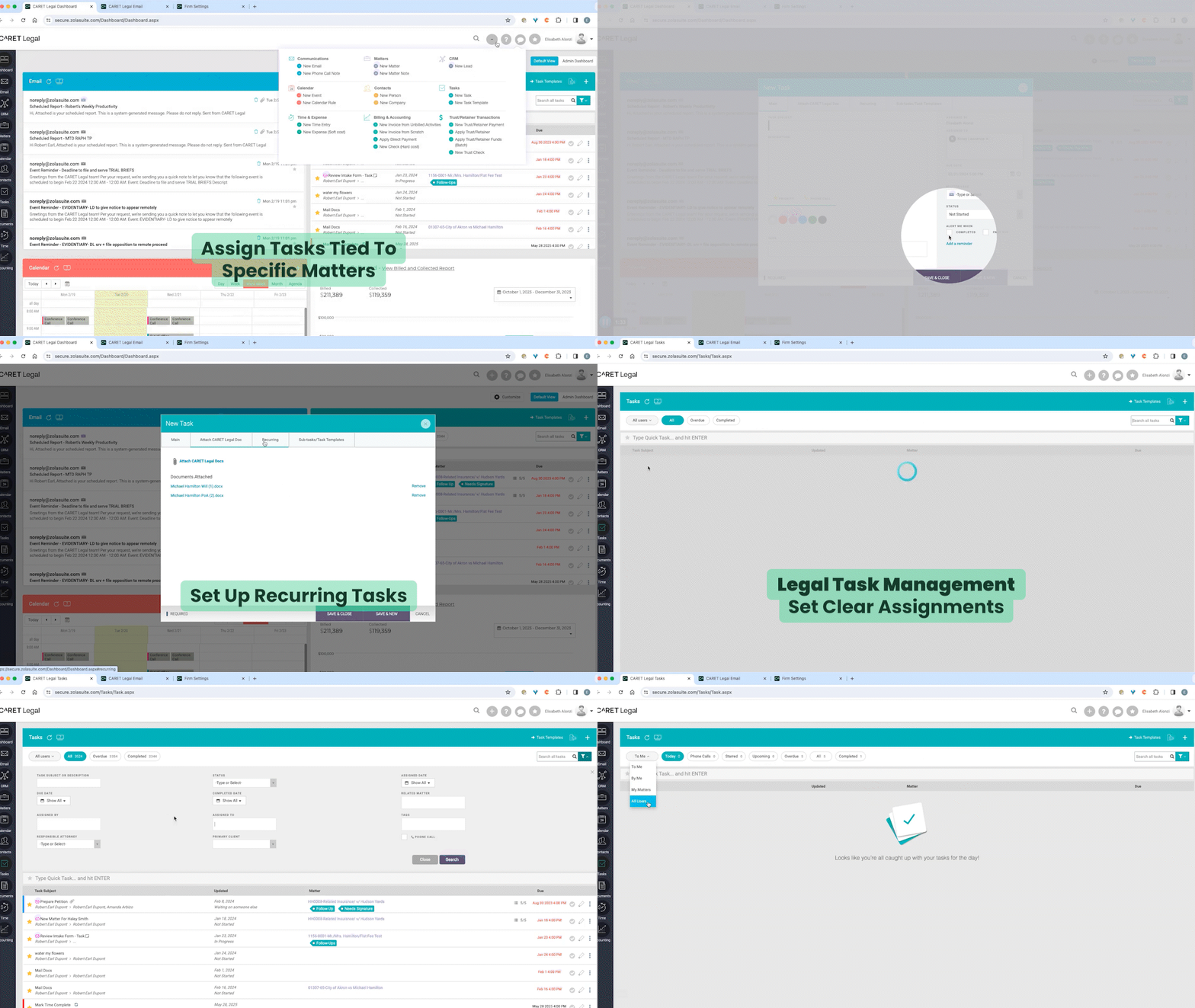
Maintaining momentum in litigation requires clarity around roles, responsibilities, and deadlines. To improve coordination and reduce last-minute bottlenecks, small firms can:
- Assign tasks with clear due dates and descriptions
- Sync court deadlines into the shared calendar
- Use recurring tasks for routine litigation steps
- Monitor open tasks within the matter view
- Encourage regular check-ins based on the CARET Legal dashboard
With all case activity centralized, attorneys and staff can shift from reactive management to a more organized, proactive approach.
Regaining Control Without Adding Complexity
Overwhelm often comes from juggling too many disconnected tools. CARET Legal helps small law firms get back in control by offering a streamlined platform that supports legal, operational, and financial workflows in one place.
Firms that adopt a single, integrated platform often find they are better equipped to scale their operations. As caseloads grow and new team members join, the ability to manage everything from intake to invoicing in one system becomes more valuable. CARET Legal helps firms maintain control over their operations even during periods of growth.
Request a free trial to see how CARET Legal can help your firm manage growth, reduce complexity, and build a more sustainable practice.