The Big Takeaways
- The best cloud-based litigation platforms combine encryption, scalability, and integrated tools to manage the full lifecycle of a matter.
- All-in-one platforms streamline deadlines, documents, billing, and collaboration – reducing risk, increasing visibility, and saving time.
- CARET Legal offers a secure, scalable solution with built-in litigation tools designed to support high-volume casework and firmwide growth.
What Do the Best Cloud-Based Litigation Platforms Include?
According to the ABA’s 2024 Legal Technology Survey Report, 73% of firms already use cloud-based legal tools, with document management and practice management leading the way. But not every cloud-based litigation platform offers everything your firm needs.
The best cloud-based platforms combine security, scalability, and integrated tools that can help your team manage the entire lifecycle of a matter. When these pieces work together, you could spend less time navigating software and more time focusing on strategy and your client’s needs.
Core Tools Cloud-Based Litigation Platforms Should Have
A litigation team’s workload moves quickly, shifts often, and demands accuracy at every step. The right platform can match that pace while also:
- Protecting data
- Adapting to caseload changes
- Organizing the full story of a matter
- Automating time-consuming tasks
- Keeping everyone aligned within the same workspace
Strong Encryption and Modern Security Protections
Litigation files carry some of the most sensitive information a firm handles. Every court document, client communication, and internal note must remain protected, even when attorneys work from a courtroom, a home office, or a public network. That is why strong encryption is foundational.
Leading platforms encrypt data in transit and at rest. This reduces exposure when a team member accesses files through a mobile hotspot or a courthouse connection. Modern security frameworks also guard cloud servers from unauthorized access, which helps firms maintain client confidentiality throughout the life of a matter.
CARET Legal applies bank-grade SSL encryption to secure all matter data, allowing attorneys to review case files safely from virtually any location.
Scalability That Supports Growing Litigation Workloads
Litigation work rarely stays predictable. A quiet month can shift quickly when discovery expands, a new client signs on, or trial preparation accelerates. Cloud systems with scalable architecture adjust to these changes without slowing performance.
A scalable platform lets a firm add storage or new users without waiting for hardware upgrades or enduring downtime. As needs grow, capacity expands automatically. Continuous updates also keep the software aligned with new legal technology standards, which helps firms avoid the disruptions that come with outdated systems.
These benefits are especially valuable for firms moving away from on-premise servers, which require ongoing maintenance and introduce single points of failure.
Centralized, Real-Time Case Management
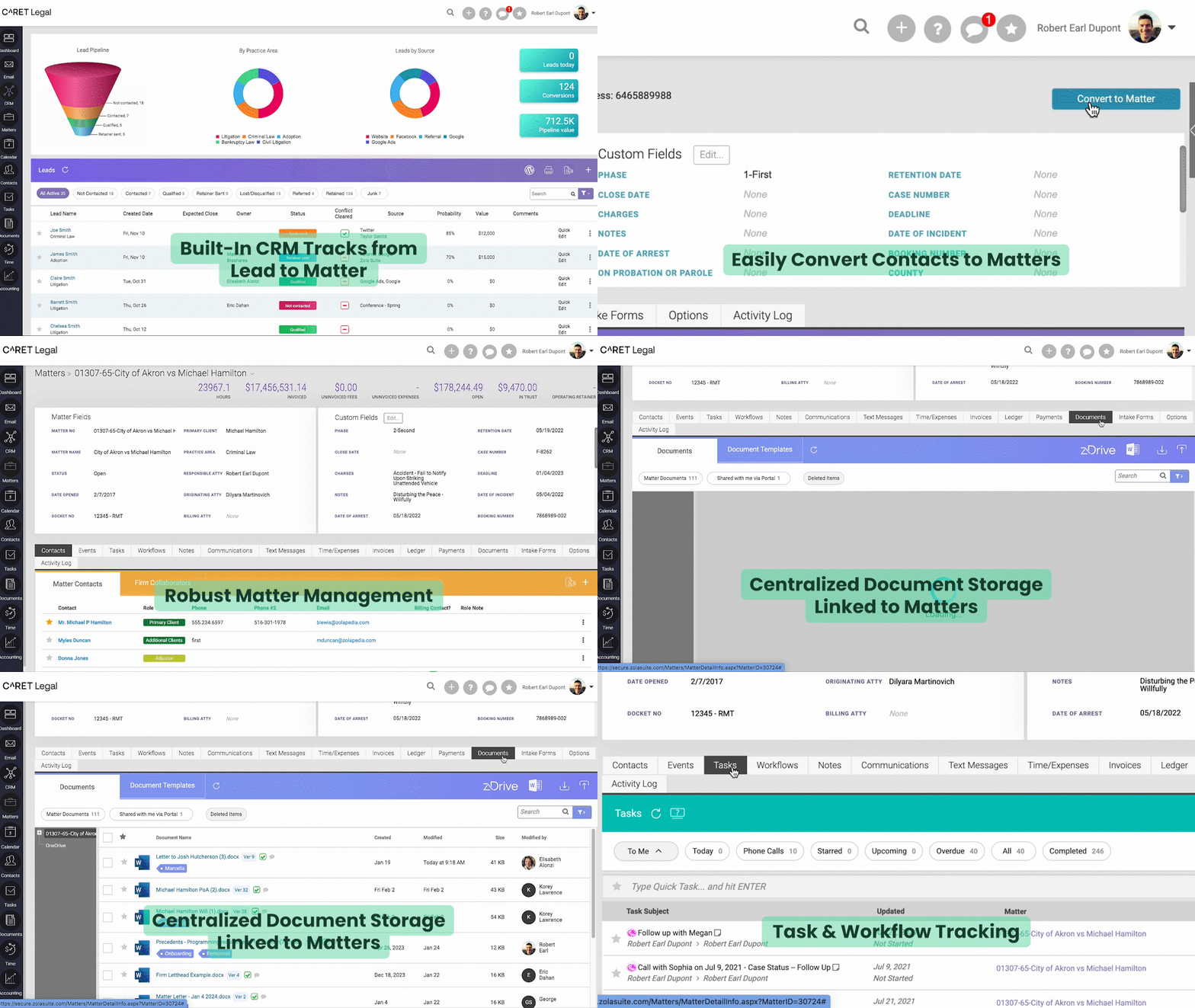
When every detail of a case lives in one unified system, teams avoid the time sink of switching between tools or hunting for updates. Centralized case management pulls documents, deadlines, notes, communications, and timelines into a single record.
Real-time syncing ensures that updates appear immediately across all devices. If a paralegal uploads a deposition transcript or an attorney adds a hearing note, the entire team sees it right away. This level of coordination matters during fast-moving litigation, where a missed update can affect the next strategic step.
Advanced Calendaring and Automated Litigation Deadlines
Managing deadlines by hand increases risk.
When paired with tools like LawToolBox, CARET Legal supports automated deadline calculations based on jurisdictional rules. These automations reduce manual work and protect teams from the errors that come with complicated date counting.
Matter-linked calendars add context by showing how hearings, filing deadlines, and client meetings connect within a case. Multi-level reminders prompt attorneys well in advance of each task, which allows for deliberate preparation rather than last-minute scrambles.
Because the calendar is cloud-based, attorneys can access it in court, during travel, or from remote offices. When schedules shift, updates ripple across every user’s view instantly.
Document Management and Organized File Access
Discovery, motion practice, and trial preparation all generate heavy document loads. A well-designed cloud platform keeps those materials organized and easy to retrieve.
A centralized document repository prevents duplicate versions and keeps pleadings, transcripts, research, and correspondence in one searchable location. Templates allow teams to produce repeatable documents quickly, which is invaluable during periods with high filing volume.
Version history clarifies who made edits and when, which strengthens accountability and helps teams understand the evolution of a draft. Advanced search tools surface specific documents or keywords instantly, which shortens prep time for depositions and hearings.
Built-In Collaboration and Communication Tools
Litigation moves faster when teams communicate in the same workspace where the rest of their case materials live. Built-in collaboration tools organize conversations by matter, which keeps important updates from getting buried in email chains.
Activity logs provide a record of internal changes, helping attorneys prepare for strategy meetings or court with a clear understanding of recent actions and decisions.
Litigation-Ready Billing and Financial Management
Accurate billing is easier when time tracking happens inside the platform, where attorneys already record their work. Track time through tasks, email, document editing, and events to capture billable hours instantly.
Automated billing workflows generate consistent, itemized invoices. Data-driven financial insights help attorneys and firm leaders make informed decisions about strategy and resource allocation.
Cloud-based payment tools also streamline collections, which keeps cash flow steady for firms handling long, complex matters.
Integrations and Workflow Automation That Reduce Manual Work
A strong platform connects seamlessly to other tools a firm relies on.
- Email, payment processors, and document repositories all work more efficiently when they integrate directly into the litigation software.
- Task templates and matter-linked workflows support consistency across litigation steps.

Comprehensive Security and Compliance Features
Security touches every part of a litigation matter. Encryption, user permissions, and multi-factor authentication keep sensitive information protected from unauthorized access. Automatic security patches keep the platform current, which reduces exposure to emerging threats.
Role-based access ensures that only approved team members can view confidential files. Audit logs help teams track activities and edits, supporting internal oversight. Together, these protections build trust with clients and help firms meet regulatory expectations.
Why All-in-One Platforms Offer the Best Value
Managing litigation through scattered tools adds friction to every part of a case. Attorneys jump between calendars, document repositories, billing systems, communication apps, and spreadsheets just to complete their daily work. That fragmentation slows progress and increases room for error.
All-in-one cloud platforms solve this by consolidating essential tools into a single environment. Calendaring, documents, communications, billing, and reporting all operate together, pulling from the same shared data. Consistent workflows reduce training time and help staff avoid procedural mistakes.
Centralized information also improves reporting accuracy, giving firm leaders clearer insight into caseload distribution, productivity, and financial performance. With fewer systems to maintain, firms reduce overhead and simplify support.
For litigation teams that want smoother workflows and a technology stack built for growth, an all-in-one platform delivers meaningful value.
Ready to explore how this looks in practice? Request a free trial of our cloud-based platform to see how an integrated system supports your needs.