Growth is a positive milestone for any law firm, but it often comes with new challenges. As firms take on more clients, cases, and staff, the systems that once felt sufficient can quickly become strained. Without the right infrastructure, growth can introduce inefficiencies, inconsistencies, and increased risk instead of momentum.
For small law firms experiencing rapid expansion, scalable case management software is important. Rather than forcing firms to overhaul their operations at every stage of growth, scalable systems provide a stable foundation that adapts as demands increase.
When Growth Starts to Create Friction
In the early stages of a firm’s development, informal processes often work well enough. Teams rely on email, spreadsheets, and shared folders to manage work. Over time, however, these tools become harder to manage as caseloads rise and responsibilities multiply.
Deadlines become more difficult to track, information is scattered across platforms, and visibility into ongoing work diminishes. What once felt flexible can start to feel chaotic. At that point, growth without structure can slow productivity and increase stress across the firm.
Scalable case management software helps address these challenges by introducing organization without unnecessary complexity. Instead of relying on disconnected tools, firms can manage their work within a single, consistent system.
Centralization as a Growth Enabler
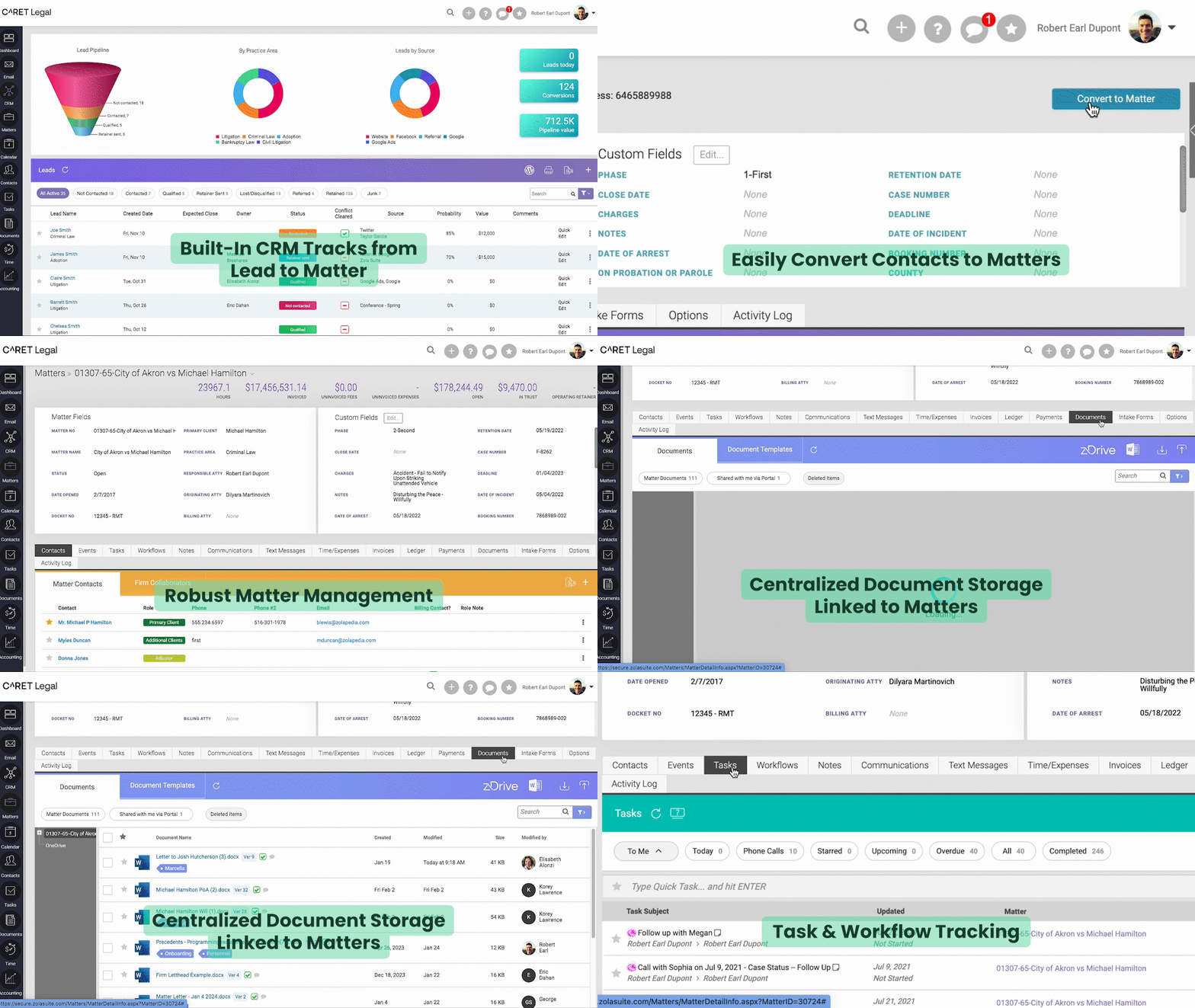
One of the biggest advantages of scalable case management software is centralization. A centralized platform brings case information, tasks, and documentation into one place, making it easier for teams to stay aligned as workloads increase.
As firms grow, centralization becomes less about convenience and more about control. When everyone works from the same system, there is less confusion about where information lives or who is responsible for what. This shared structure supports smoother collaboration and reduces the risk of errors or duplicated effort.
Centralized systems also make it easier for leadership to maintain oversight. With a clearer view of active matters and responsibilities, firm leaders can make more informed decisions about staffing, priorities, and future growth.
Recognizing the Signs You’ve Outgrown Your Tools
Many firms don’t immediately realize they need more scalable systems. Instead, the need becomes apparent through everyday frustrations. Team members may struggle to locate documents, track deadlines, or understand the status of a case. New hires may require extensive guidance because workflows are inconsistent or undocumented.
Other signs that a change in technology is needed include increased reliance on individual knowledge, difficulty delegating work, or a growing sense that small issues are turning into larger operational problems. These challenges are often symptoms of growth outpacing infrastructure.
Scalable case management software helps firms move past these limitations by providing a structure that supports expansion rather than resisting it.
Supporting Team Growth and Delegation
As firms grow, adding new team members becomes essential. However, onboarding and delegation can be difficult without standardized systems in place. Informal processes may work for a small group but rarely scale effectively.
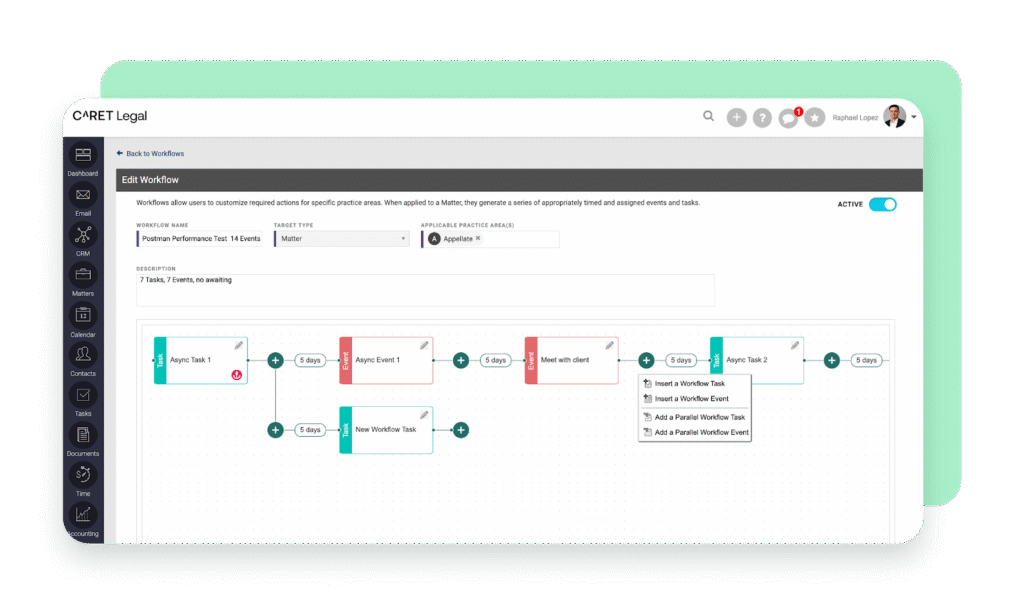
Scalable case management software helps firms establish consistent workflows that make onboarding smoother and delegation clearer. Tasks can be assigned, tracked, and managed within a shared environment, reducing uncertainty for both managers and staff.
Clear workflows also help new hires become productive more quickly. Instead of relying on informal explanations or scattered documentation, they can learn how work is managed by engaging directly with the system. This consistency supports accountability and helps teams work more confidently as they expand.
Maintaining Consistency Across Matters
Consistency is one of the most difficult aspects of growth to maintain. As caseloads increase and firms expand into new areas, it becomes harder to ensure work is handled the same way across all matters.
Scalable case management software helps reinforce consistent practices by providing a shared framework for organizing and managing cases. When processes are standardized, firms can reduce variability and maintain quality even as volume increases.
This consistency benefits both staff and leadership. Team members know what is expected of them, and leadership can more easily identify inefficiencies or areas for improvement. Over time, consistent processes contribute to stronger operations and more predictable outcomes.
Managing Time Tracking and Billing as Complexity Grows
Growth often brings increased financial complexity. Tracking time accurately across a larger team and maintaining consistent billing workflows can become more challenging as the firm expands.
Scalable case management software helps firms maintain structured time tracking and billing workflows as more users and matters are added. Rather than relying on individual habits or disconnected systems, firms can reinforce consistent practices across the organization.
This structure supports clearer financial oversight and helps reduce administrative friction. As billing processes become more complex, having reliable workflows in place becomes essential to protecting revenue and supporting sustainable growth.
Building for Today While Preparing for Tomorrow
One of the key advantages of scalable software is flexibility. Instead of locking firms into rigid processes, scalable systems allow firms to adapt as their needs evolve.
As caseloads grow, firms can expand their use of existing workflows rather than replacing them entirely. As teams become larger and responsibilities shift, processes can be refined without disrupting day-to-day operations. This adaptability allows firms to respond to change without losing momentum.
Investing in scalable systems early can also reduce the need for disruptive transitions later. Firms that build on a strong foundation are better positioned to grow intentionally rather than reactively.
A Stable Foundation for Long-Term Growth
Rather than rebuilding workflows at every stage of growth, CARET Legal’s scalable case management software enables law firms to build on what already works. With an intuitive legal practice management platform designed to grow alongside the firm, processes can expand, roles can adapt, and internal complexity can increase without disrupting daily operations or requiring a complete reset. By investing in CARET Legal, firms reduce operational strain and gain the flexibility needed to deliver consistent, high-quality client service while supporting long-term success.
Schedule a demo to see how CARET Legal helps your firm streamline workflows, strengthen client collaboration tools, and scale with confidence.